The Great Falls Ski Club found this hill in 1936. A rope tow followed, then a lodge, a Poma, a T-bar, two double chairs and a triple — and three families, one of them still here. This page is built from the archive; every date on it has a source behind it.
Showdown Montana turns 90 this season, and we are making a book. Whether you’re a skier, boarder, staffer or lodge regular, share your favourite memories, photographs and memorabilia. Photos, videos and text can all be sent through the form; the highest-quality files you have, but don’t let that stop you.
Produced by Charley and Ally Willett of Willett Media LLC with Showdown Montana. A portion of pre-sales goes to Eagle Mount of Great Falls. Only submissions through the official form are included. Questions: stillgoingdownhill@gmail.com · 406-750-1614.
More than 1,800 photographs, 1936 to 2018, searchable by name, year and place. Type a surname. Type a run. Type “1978.”
Open the photo search ↗ Season pass contestSend in every Showdown season pass you still own. The most seasons on the last day of the 2026-27 season wins a 2027-28 pass; second a Showup Card; third $75 in the Swag Shop. The oldest in the set so far is from 1947.
See the leaderboard ↗ The People’s PageEach submitter gets a page of their photographs and what they wrote. A second contest runs here: the most photographs sent in.
Open The People’s Page ↗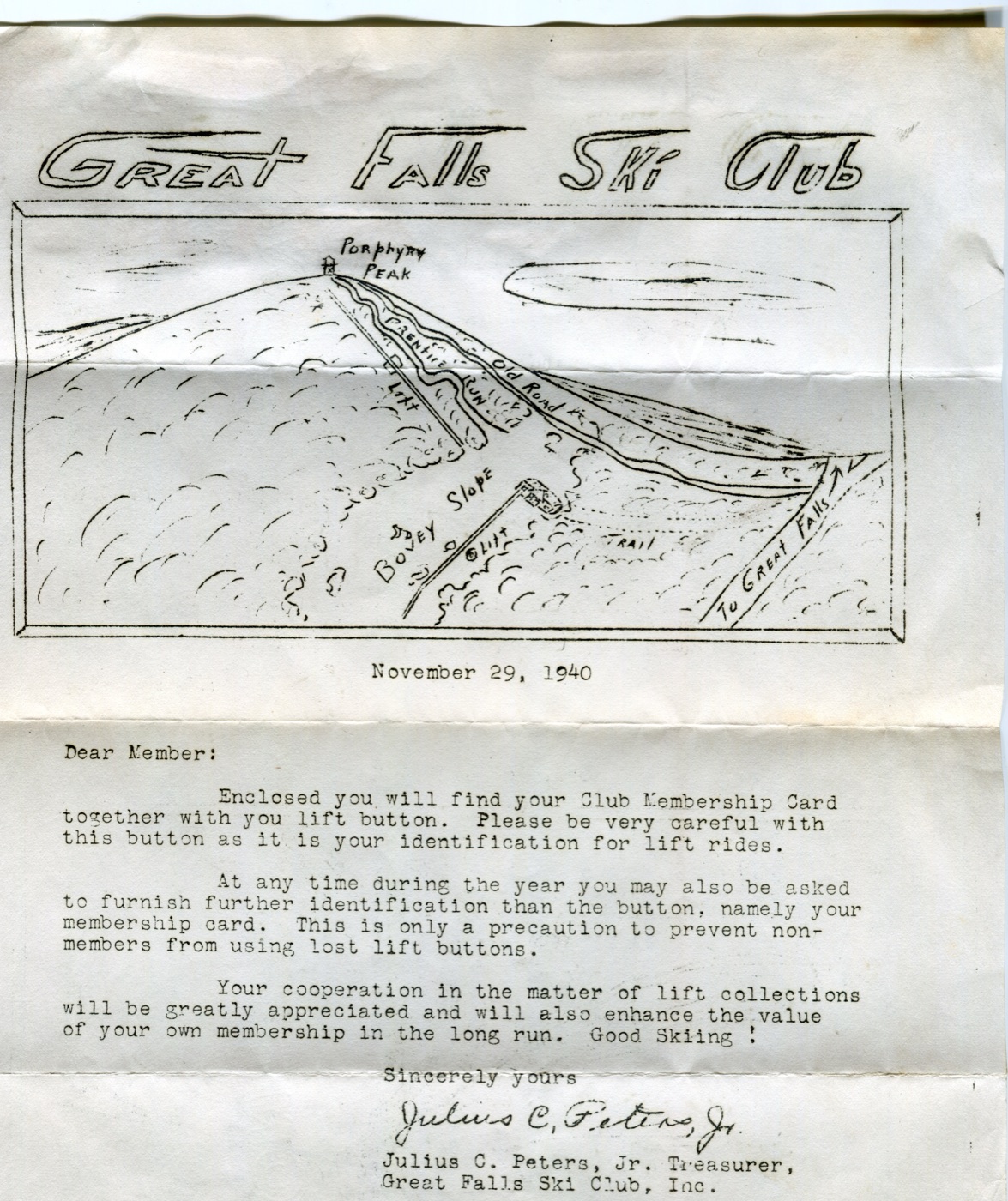
The club that still closes every season with the Mannequin Jump is founded, and finds its hill at the top of Kings Hill Pass.
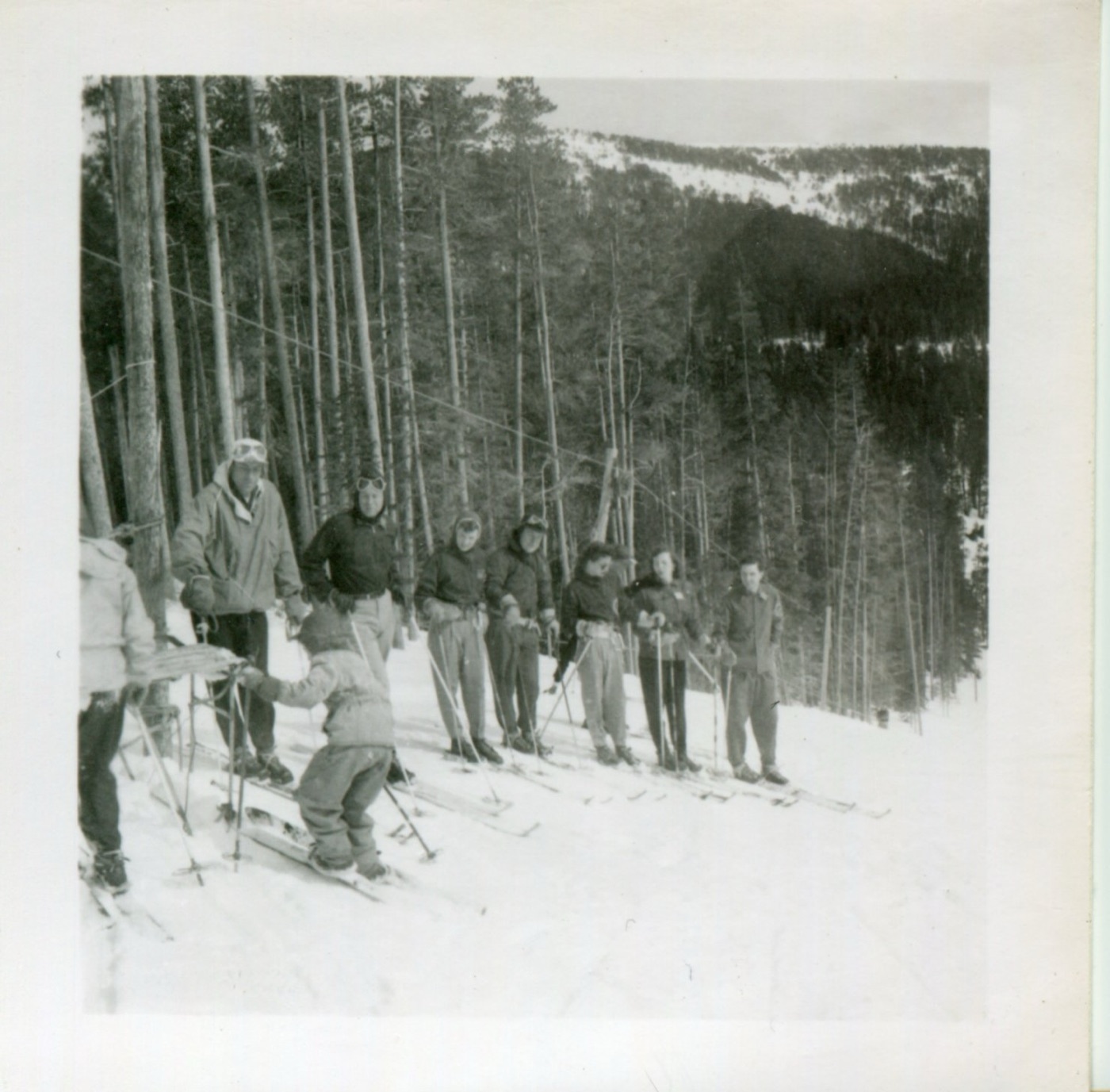
A thousand feet of endless rope, built under Charley Bovey’s personal charge by his ranch hands. Skiers packed the slope before they could ride; the packing ticket got you a $1 lift ticket. The engine block, antifreeze and oil each had to be heated separately to start it.
The club adopts resolutions naming its course for Charley Bovey and a run for George Prentice. Both names are still on the trail map.
The hill closes for the war — the first of two closures in ninety years; the second was the spring of 2020.
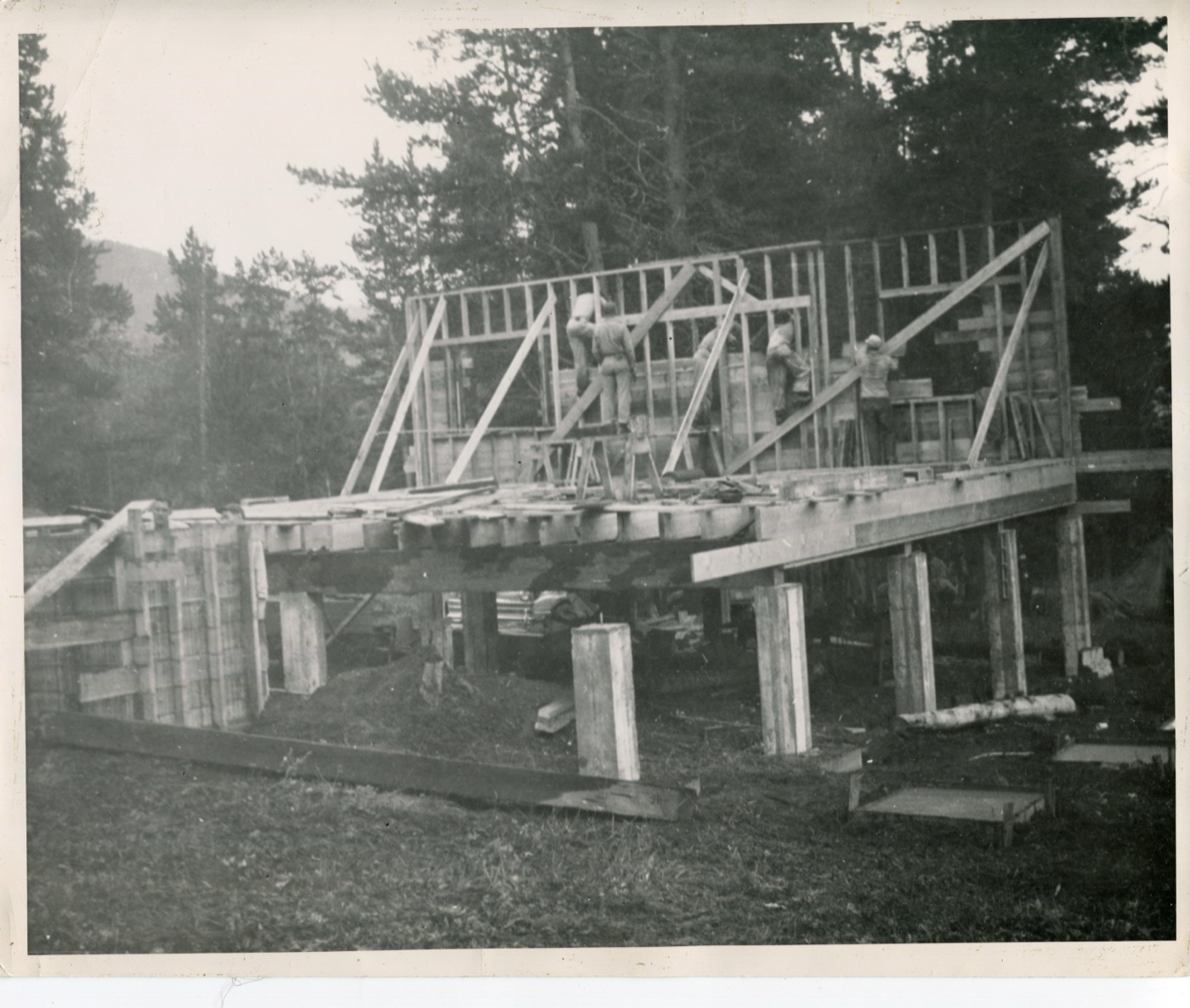
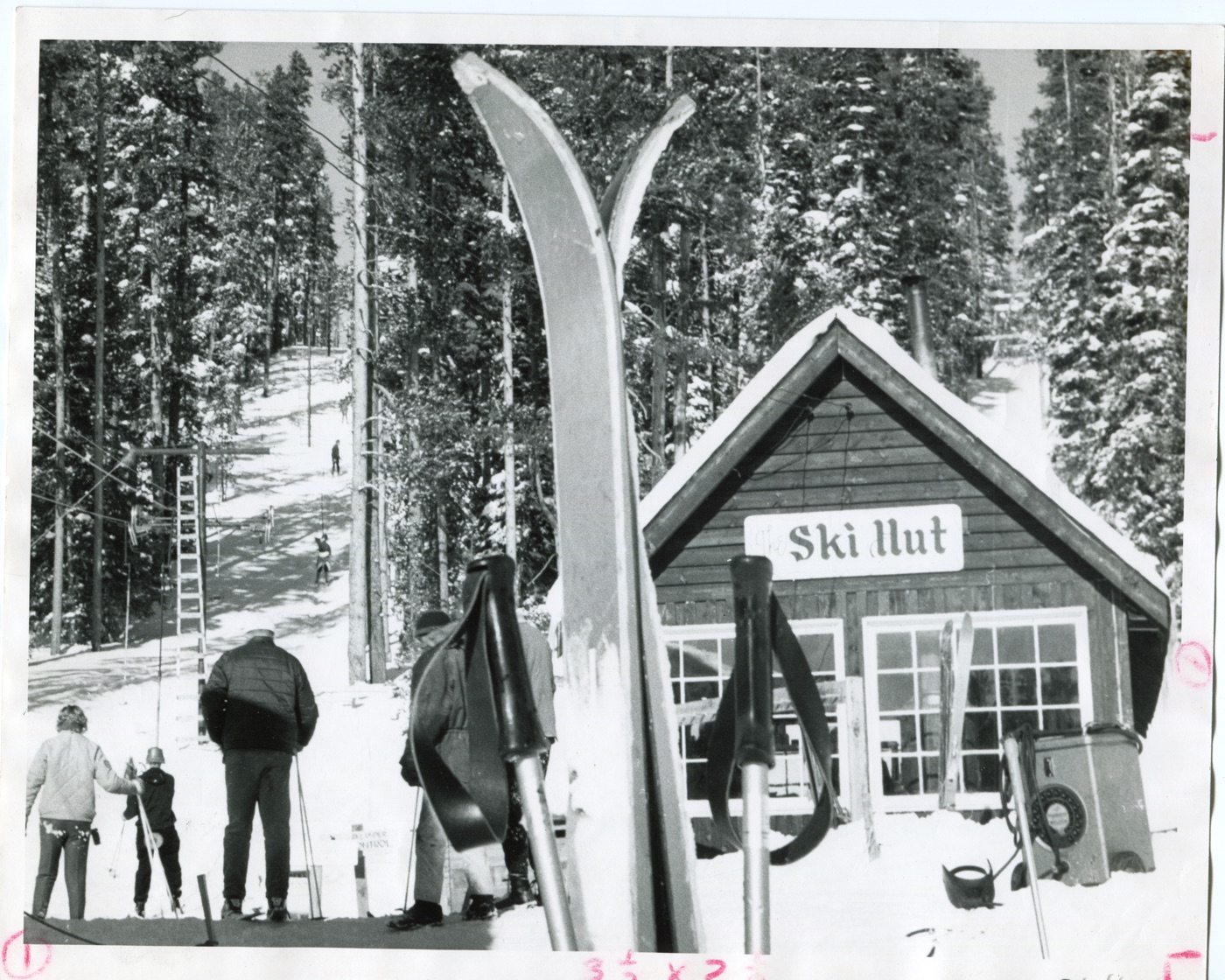
Built by the club’s members; photographed in December 1948 with skis stacked at the door. Life memberships at $50 helped pay for it.
Drifts on Riceville Hill closed the road for the season. The club turned back and skied Gore Hill instead, with a jeep-powered rope tow and burning tires for night lights.
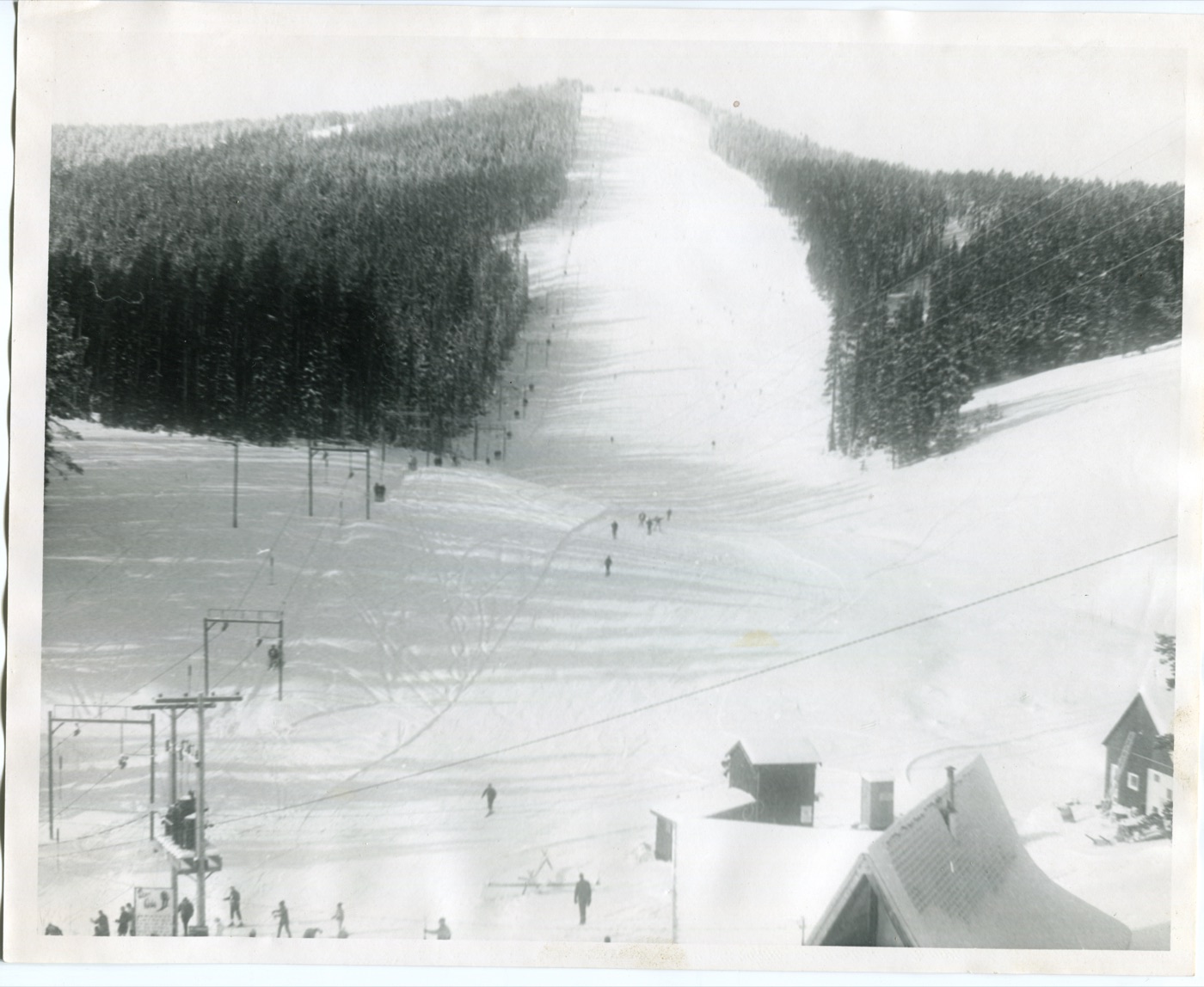
Ski Lift, Inc.’s first improvement: 3,400 feet, 350 skiers an hour. Poma Line is still a run on the Northside.
About a thousand people; Governor Babcock rides first. The Kings Crier, the area’s newsletter, reports it. T-Bar Coffee in the lodge carries the name.
Attested in two independent sources eighteen years apart — one of the firmest dates in the archive.
Ted Cogswell Jr. and George Willett buy the area and rename it. The renaming was photographed. The 1974 logo is a miner’s pick, and the mining names on the map — Sluice Box, Glory Hole, Speculation, Quicksilver — fit the new one.
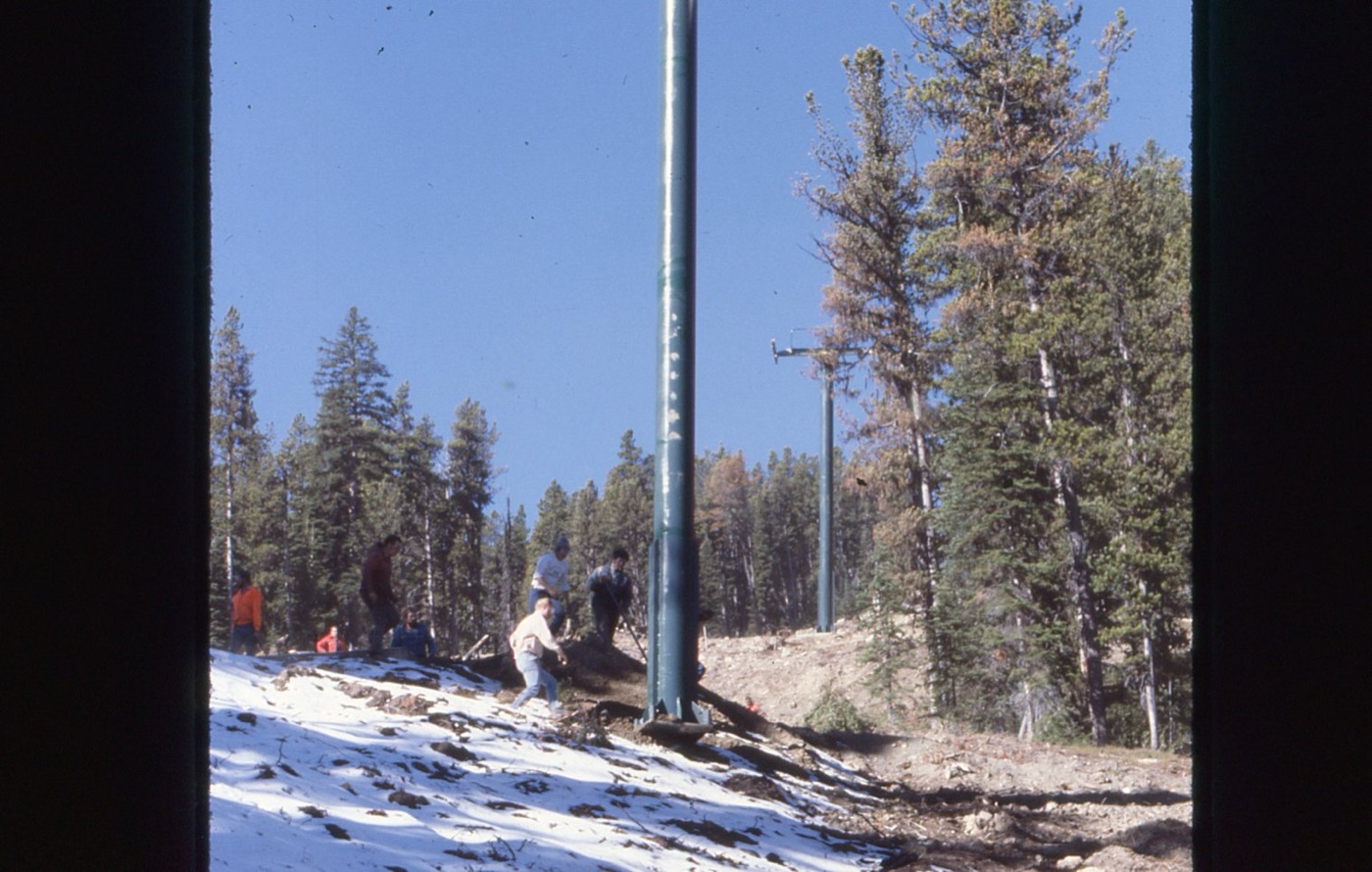
Built in the summer of 1978 and photographed end to end in about a hundred frames — cement trucks, a D7 bulldozer, the towers going up. The most complete construction record the archive holds.
Thirty-five adaptive skiers, using sleds, walker skis and tethers. The partnership continues.
The warming hut at the summit is built.
The old lodge is to be cleared by June; there is talk of burning it. George Willett writes the newsletter’s front page himself — the only signed prose of his in the archive — while the new building waits on Forest Service approval.
After nearly 48 years George Willett sells to his daughter Katie Boedecker. Avery and Shawn Patrick join as shareholders; William, George and Bridger work the mountain. Willett keeps the title of Chief Product Tester and the upstairs office. Montana’s oldest, and only woman-owned, ski area.
Around 300 firefighters sleep, eat and shower at Showdown — three meals a day, donated by a local bank.
The book, the archive, and whatever you send in. Some of the years are still blank — 2015 and 2016 have nothing in the archive at all. If you were here, we’d like to hear it.
George Prentice, “through whose efforts establishment of the course was realized,” 1939. What exactly he did is never explained. His 1947 season pass is the oldest in the pass contest.
Charles A. “Charley” Bovey, whose ranch hands built the first rope tow. Bovey’s Slope was the club’s original course.
Jack Throckmorton, whose 1988 Tribune interview is the only source that tells the whole lift story in one place. The year the Mile was named is still open.
The Hall family. “The Hall-O” was on the c.1962 Kings Hill map; the run was Big Seven for years and the name has come back. The Dick Hall memorial tree stands on it. The Halls and the Willetts turn out to be the same family anyway.
George Willett, owner 1973–2020. The run was Pay Dirt until 2018, when the area renamed it to honour him. He was photographed skiing with his customers on Prentice and Golden Goose in 1999.
Almost certainly Ted Cogswell Jr., George Willett’s partner in the 1973 purchase — nobody has yet found it written down.
Cut in 1989 — “Good Luck, which was added last year,” the fall 1990 newsletter says.
Not a run: a summit memorial to Mike Bell, raised by the Great Falls Ski Patrol and Showdown together in the mid-1990s. Ring it on the way past.
Yogo, Mizpah, Cumberland, Last Chance Gulch, Ruby Gulch, Silverhorn: the Little Belts were mining country before they were skiing country, and the names say so. Who Molly and Ripley were, we are still asking.
Volunteers, a rope tow, a lodge built by hand, and the one winter the road closed.
Ski Lift, Inc., the Poma, the T-bar, the double chair, and the Kings Crier newsletter.
A new name, a new logo, the triple chair, Top Rock, the new lodge, and 47 winters of one family at the desk.
Katie Boedecker and Avery Patrick — the next generation, the Edith, and the 90th.